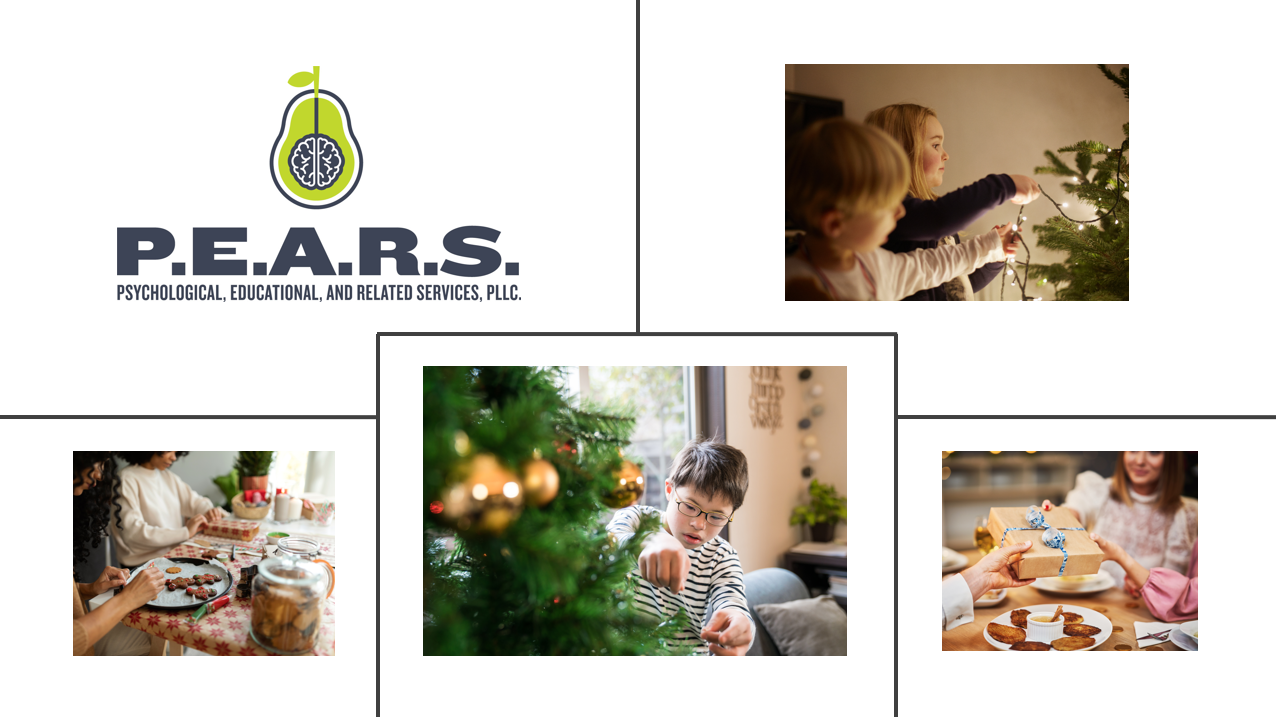
The holiday season should be a time of joy for all, including those with neurodiverse conditions who may experience celebrations differently. Whether you’re planning family gatherings or community events, here’s how to create inclusive traditions that consider diverse sensory and social needs.
Start with Predictability
Neurodivergent people often do well with great expectations and routines. The ability to know what to expect can give them added peace of mind during the holiday season. Some ways you can help foster predictability include:
Visual Schedules: Create a visual schedule/calendar of holiday activities to show specific times, places of events, and what may occur. This helps reduce anxiety and allows the individual with time to mentally prepare for coming events. For instance, instead of springing surprise caroling or last-minute gatherings on family members, create predictable timing for annual activities. You may declare every December 23rd as “Cookie Baking Day” or dictate specific hours for the opening of gifts on Christmas morning.
Create Sensory-Friendly Spaces
Holiday celebrations often create very intensive sensory experiences that can be overwhelming. From bright lights to small talk, it may be easy for your neurodivergent loved one to easily become overstimulated. Design your celebrations with quiet zones and sensory considerations in mind.
– Create a quiet room, away from the main festivities, where individuals can decompress. It can be equipped with comfort items such as weighted blankets, noise-canceling headphones, and other familiar objects that let them know their needs for space and comfort are seen and validated.
– Consider alternative lighting to avoid flickering or blinking decorations. Instead, use steady, warm lights and offer sunglasses or dimmers for those sensitive to bright illumination. When playing holiday music, keep the volume at a reasonable level and avoid jarring, loud sounds.
Flexible Food Options
Food is often at the heart of holiday celebrations, but sensory sensitivities and dietary preferences can complicate traditional holiday meals. Adapting your food traditions to be more inclusive gives a chance for everyone to have a seat at the table.
Try offering new dishes along with familiar foods so there is always something to eat that feels comfortable. Consider offering different textures and, when possible, keep ingredients separate so people can create their own plates.
Make new food preparation traditions to accommodate diverse needs. Some might enjoy weighing the ingredients against the recipe very precisely, and others like a bit more sensory input – kneading dough or sprinkling sprinkles on cookies, for instance.
Socializing in their Style
Holiday gatherings include prolonged periods of socializing, something that neurodiverse individuals might find highly stressful or draining. Making room for different social capacities can allow for a variety of engagements:
– Instead of having all people participate in group activities all at once, create different stations or activities that individuals can engage in at their own pace. This may be through a craft corner, puzzle table, or video game station.
– Create signals or systems where people can indicate their needs without drawing attention. It might be colored cards indicating a want to interact or a need for space.
Embrace Special Interests
Many neurodivergent individuals have strong interests that delight them. Finding ways to weave these into holiday activities can help foster an inclusive environment where they not only feel comfortable participating but also showcases their knowledge and skills. For example, if someone is enthusiastic about trains, they could be in charge of putting out the holiday train. If someone else enjoys being organized, they might really enjoy setting up the holiday schedule or organizing decorations in a particular order.
Different Ways of Celebrating
Keep in mind that engaging in activities can look different for everyone involved. Whether you are neurodivergent or neurotypical, everyone is going to have their preferred way of celebrating the holidays.
Some people may feel more content observing and not necessarily taking an active part in everything. Others might want to take breaks or participate from afar. Acknowledging these choices as valued ways of participating in the celebration can help bring everyone together in a way that feels genuine and authentic to each person.
Consider developing parallel traditions that are similar in purpose but meet diverse needs. For example, if some family members are overwhelmed by in-person gift exchanges, create a tradition of opening gifts in small groups or even via video call.
Evolve and Adapt
The most successful inclusive traditions are those that can evolve based on feedback and
changing needs. Regular check-ins with family members about what works and what doesn’t helps ensure traditions remain meaningful and accessible to everyone.
Remember, the making of inclusive traditions is not about keeping ideal conditions but about creating an atmosphere where all feel welcome to join in, in whatever way suits them. The goal
should always be to learn and understand how we can create richer, more meaningful traditions that truly bring people together: by making space for different ways of experiencing and celebrating the holidays.